

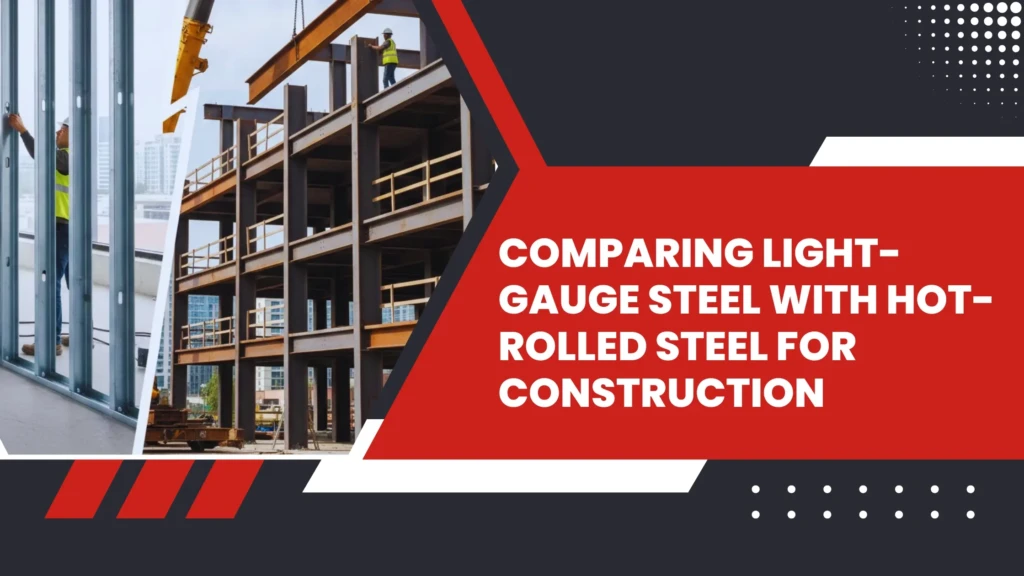
Construction is an industry that constantly demands innovation. When you admire skyscrapers and other architectural marvels, it’s worth looking behind the scenes at the technology and materials that make them possible. One of the key techniques today is fabricated steel.
However, there isn’t a one-size-fits-all approach to designing with steel. Among the most commonly used types in construction are light-gauge steel and hot-rolled steel. So, what sets them apart, and when should each be used? Let’s compare light-gauge steel with hot-rolled steel and explore the differences and their benefits for construction.
What is Light-Gauge Steel in Modern UAE Construction
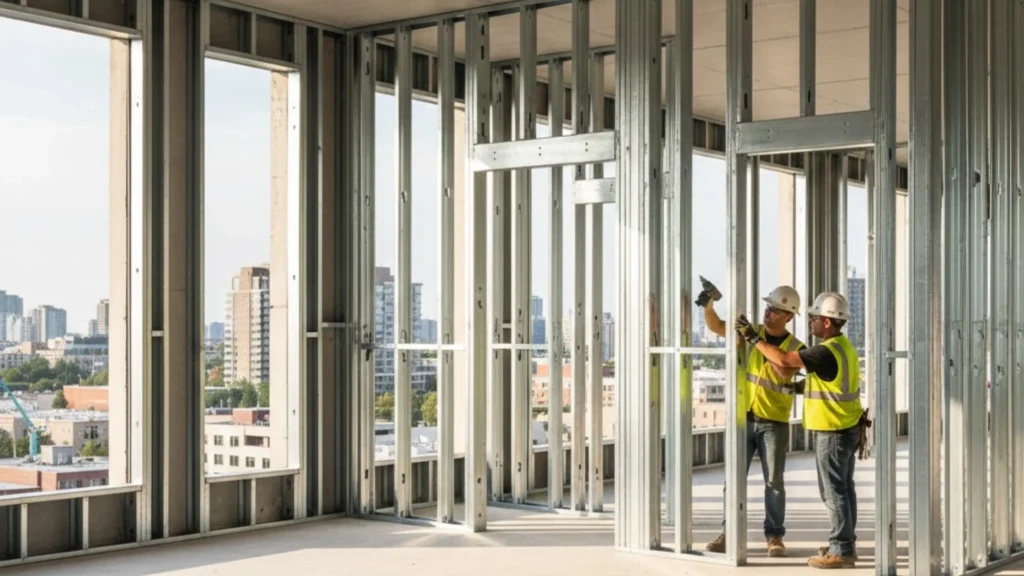
Light-gauge steel, also known as cold-formed steel, is manufactured by bending thin steel sheets into structural shapes and designs using heat. This method offers accuracy, resulting in creating the components that are lightweight yet the most reliable ones.
In the market like the UAE, where everything is all about efficiency and on-time delivery, light-gauge steel is used for housing, commercial, mezzanine floors, and interior framing too. It stands out in projects that ask for speed, versatility, and cost-efficiency.
Benefits of Using Light-Gauge Steel
The benefits of light-gauge steel are listed below:
- A lightweight component means easy installation.
- Best at corrosion resistance with the right coating and is most suitable for humid coastal areas like the UAE.
- Everything is made controlled in the factory setting with high precision.
- Fast to put together and less waste on-site.
- Works well with modular and prefabricated construction techniques.
Drawbacks of Light-Gauge Steel
- Not quite a good fit for heavy loads or the main structure in high-rises.
- Requires attention to detail for design and installation to prevent buckling.
- Fire resistance demands extra protective material.
What is Hot-Rolled Steel and Its Role in UAE Mega Projects
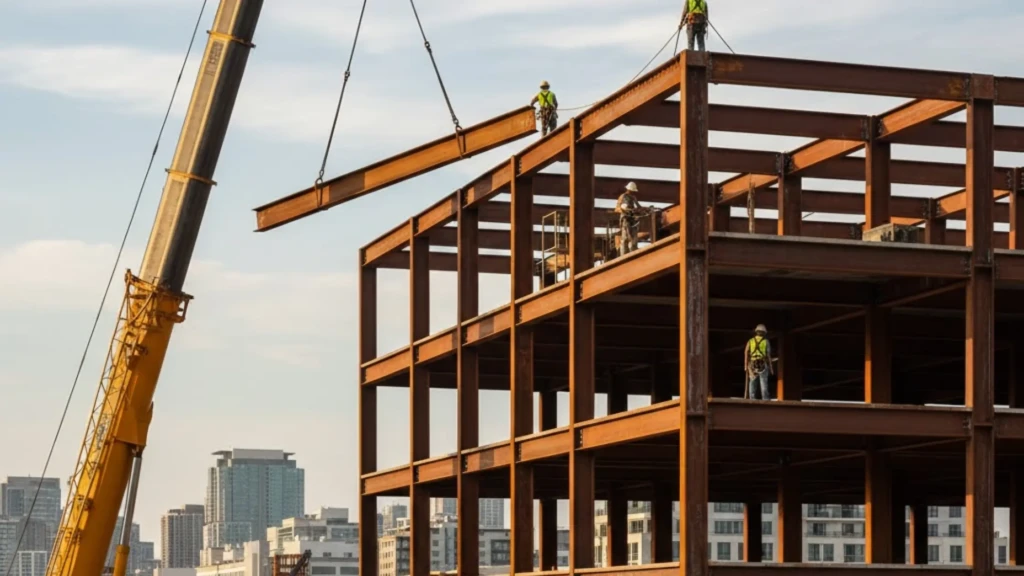
Hot-rolled steel is a technique in which steel is formed at high temperatures. It makes it easy to turn steel into I-beams, channels, plates, and other structural parts. These structures are important for commercial buildings and for strong structures such as bridges, towers, and factories.
In the UAE, where there are massive projects like airports, skyscrapers, oil and gas facilities, and transport hubs that need incredible load-bearing strength, hot-rolled steel is still one of the best options. When you talk to light gauge steel manufacturers or others, they can tell you the benefits of both, like:
Benefits of using Hot-Rolled Steel
- Super strong and really durable, making it great for heavy-duty structures.
- You can easily find standard shapes like I-beams and H-sections.
- With the right coatings, it’s pretty fire-resistant.
- It performs well even in extreme temperatures, which is perfect for hot desert conditions.
- It can handle minor imperfections without compromising structural integrity.
Drawbacks of Hot-Rolled Steel
- The heavier parts can drive up transportation and installation costs.
- The surface finish tends to be rougher, and it’s not as precise in dimensions compared to lighter gauge steel.
- There’s usually more waste when cutting and working with it.
When to Use Each: Light-Gauge Steel vs Hot-Rolled Steel
When developers choose between Light-Gauge Steel and Hot-Rolled Steel, or any traditional steel, they usually consider the type of project, budget constraints, and how well each option performs. Each material has its own strengths that make it suitable for various construction stages and sizes.
Light-Gauge Steel Works Best for:
- The best applications of light-gauge steel are Villas, townhouses, and modular homes.
- Partition walls, roofing systems, and mezzanine frames.
- Lightweight commercial buildings.
- Prefab site offices and portable structures for remote areas, such as Al Dhafra.
Hot-rolled Steel is Great for:
- High-rise buildings and structural frameworks.
- Industrial facilities, warehouses, and logistics centers.
- Oil and gas infrastructure that faces extreme heat or heavy loads.
- Bridges, airports, stadiums, and any long-span constructions.
Structural Performance: Strength, Stability, and Safety
The difference between light-gauge steel and hot-rolled steel is structural performance. When comparing light-gauge steel to hot-rolled materials, it’s key to consider how they perform structurally.
Construction Material Comparison: Each Type
Light-Gauge Steel:
This material is great for lightweight framing due to its slim profile, but it does need some bracing to avoid buckling. One of its big advantages is its high strength-to-weight ratio, which can help minimize the need for heavy foundations, especially useful in the sandy soils found in the UAE.
Hot-Rolled Steel:
On the other hand, hot-rolled steel is thicker and denser by nature, making it a solid choice for withstanding heavy loads, strong winds, and seismic events. It holds up really well under tough conditions, which is crucial for larger commercial and industrial buildings in the UAE.
Cost Considerations: Light-Gauge Steel vs Hot-Rolled Steel for construction
When deciding whether to compare light-gauge steel with hot-rolled steel, a big part of the evaluation often revolves around cost-effectiveness.
Costs of Light-Gauge Steel
- It’s lighter, so you’ll spend less on transportation and installation.
- The quicker construction times can really cut down on labor costs.
- This makes it a great choice for developers who want to build affordable housing or modular structures in a hurry.
Costs of Hot-Rolled Steel
- The initial material and installation costs are generally higher.
- However, its long-term durability can balance out those upfront expenses.
- Hot-rolled steel tends to be the go-to for high-value projects where safety and load capacity are crucial.
Conclusion
When comparing Light-Gauge Steel with Hot-Rolled Steel, both materials offer unique advantages depending on the type of construction project.
Light-gauge steel is ideal for lightweight, modular structures like villas, townhouses, and portable buildings, while hot-rolled steel is suited for high-rise buildings, industrial facilities, and heavy-load structures.
Emirates Portacabin, a leading modular steel building manufacturer and provider of light-gauge steel, leverages these materials to deliver efficient, durable, and cost-effective construction solutions.
Understanding the differences between these steel types helps developers choose the right material for each project, ensuring faster delivery, structural reliability, and long-lasting performance across residential, commercial, and industrial buildings.
FAQs
What is the main difference between light-gauge steel and hot-rolled steel for construction?
Light-gauge steel is lightweight and ideal for modular or smaller structures, while hot-rolled steel is thicker, stronger, and better suited for heavy-duty, high-rise, and industrial construction projects.
Which is better for construction: light-gauge steel or hot-rolled steel?
It depends on the project: use light-gauge steel for quick, lightweight builds and modular structures, and hot-rolled steel for heavy-load, durable, and large-scale commercial or industrial buildings.
How do light-gauge steel and hot-rolled steel compare in strength and cost for construction?
Light-gauge steel is cost-effective with easy installation but lighter in strength, while hot-rolled steel offers superior strength and durability, though it comes with higher material and installation costs.