

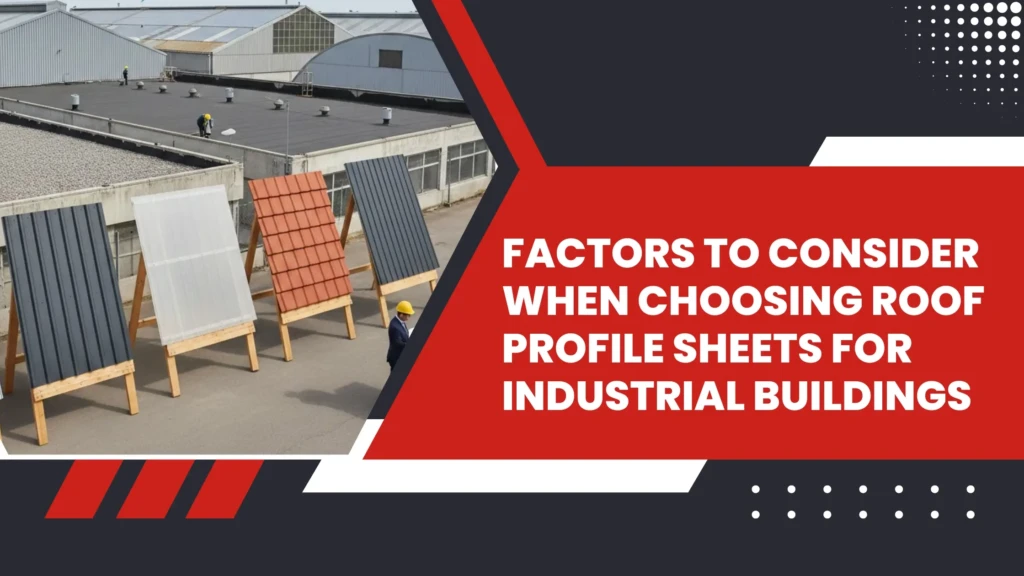
Industrial buildings in the UAE are the ones that are always setting new standards. Due to the High UV, extreme heat, and sandstorms, the building needs to be the most reliable. Therefore, in the worst environments, roofing material is most necessary.
In such settings, you cannot treat it as a passive element; you need to consider it a performance component. This is why you need to select the right roof profile sheets for industrial buildings. It will directly impact energy efficiency, structural safety, and regular compliance.
The well-selected roof profile supports long-term operational stability. Besides, it protects thevalueable assets and workforce inside teh large industrial facilities.
So, what factors make roof profiling sheets, particularly corrugated roof sheets, a reliable choice for industrial buildings?
What is a Roofing Sheet?
Roofing sheets are super important for any building because they form the roof. They help keep the roof strong and protect it from dirt, weather, and other harmful elements. When choosing the right roofing sheet, consider its lifespan, features, and how it fits with the overall property.
There are various materials available, each offering different characteristics that support the role of roof sheets across different applications. Some materials work better for specific roof sheet types for industrial buildings, depending on performance needs.
Ultimately, selecting the right roofing sheet comes down to understanding what the roof requires, especially in terms of durability, strength, and long-term protection.
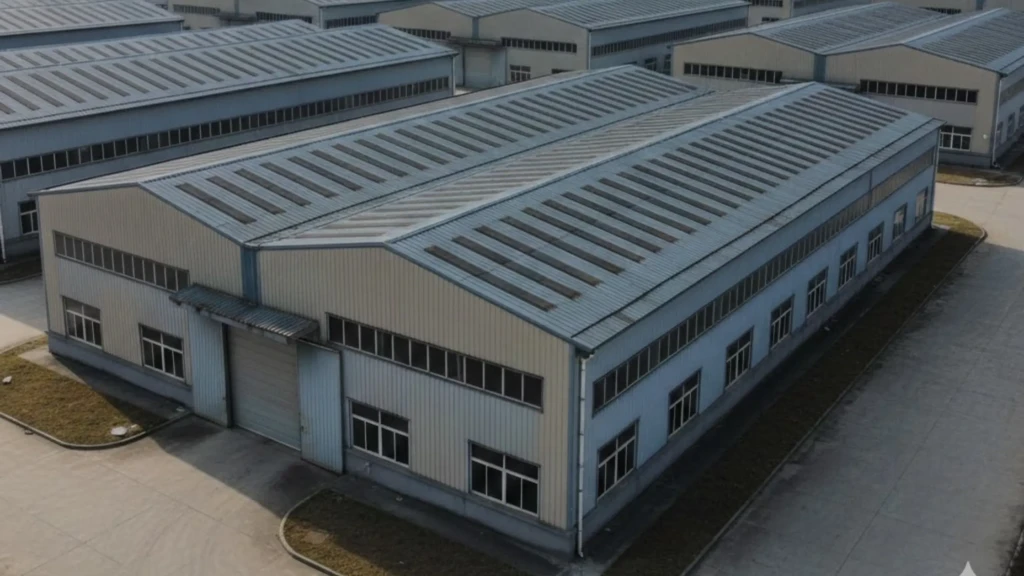
Top Factors To Consider When Choosing Roof Profile Sheets
he UAE’s climate is the primary factor shaping the decision to select roofing, especially industrial roof profile sheets. If poorly designed sheets are used, they can cause the roof to fail. But the best quality and design can last for ages to come. And you probably understand the role of the roof sheet by now.
So, what to consider?
1. Profile Shape and Structural Strength
The distribution of loads throughout the building structure is determined by the roof profile’s geometry. In addition to bearing their own weight, industrial roofs also have to sustain mechanical systems, lighting, solar panels, and maintenance traffic.
Several structural benefits are provided by common profile designs:
- Trapezoidal profiles are ideal for wide-span industrial buildings due to their high load-bearing capacity.
- Ribbed profiles reduce material weight while increasing stiffness.
- Deep corrugations improve airflow and strengthen resistance to pressure-induced bending.
Roof profile sheets for industrial buildings will perform reliably under both static loads and dynamic environmental conditions when the right profile is selected.
However, you may need to learn the difference between corrugated and standing seam before you decide.
2. Material Selection and Corrosion Resistance
The material choice for industrial roofing sheets directly impacts the roof’s lifespan. For example, in coastal zones, the roof faces salt-laden air, but in inland areas, extreme heat and dust accumulation are common. So, you have to choose appropriate roofing for each kind of environment. Most popular environments at this time are:
- Galvanized steel is great for strength and keeping costs down.
- Aluminum offers excellent corrosion resistance and is lighter, too.
- Zinc-aluminum alloys last longer in tough environments.
Don’t forget about protective coatings; they matter a lot. Multi-layer paint systems and anti-corrosion finishes help shield roof sheets from UV damage, moisture, and chemicals. For industrial facilities that handle emissions or fumes, resilient materials can really save money in the long run.
3. Thermal Performance and Insulation Compatibility
In the UAE, energy efficiency has become essential for industrial buildings. Roofing systems are key players in achieving both thermal performance standards and sustainability goals.
It’s important for roof profile sheets to work well with insulation systems without losing any strength. Some profiles are specially designed to work with:
- Sandwich panels that offer high thermal resistance
- Radiant barriers that help keep heat away from the inside
- Ventilated roof assemblies to minimize heat buildup
When you choose the right materials, roof profile sheets can help reduce cooling demands, lower carbon emissions, and improve indoor working conditions.
4. Drainage Efficiency and Weather Protection
Rain in the UAE doesn’t happen often, but when it does, it can really pour. If roofs aren’t designed well, it can lead to water pooling, leaks, and rusting.
Good roof designs should help direct water efficiently, especially during those sudden heavy rains. When it comes to drainage, here are a few things to keep in mind:
- Make sure there’s a good slope to help water flow off quickly.
- Use defined ribs to help steer water away from seams.
- Opt for longer sheets to reduce the chances of overlaps and leaks.
For factories or homes with sensitive equipment or valuable stock, having dependable drainage is absolutely essential.
5. Installation, Practicality, and Maintenance Requirements
Industrial construction projects led by roof profile sheet suppliers in the UAE often have really tight timelines. Using roof profile sheets that are easy to handle and install can significantly reduce labour time and overall costs.
Lightweight but strong profiles make it easier to transport and set up without losing performance. Plus, with precision-engineered profiles, you can minimiZe alignment errors right from the start, helping maintain the roof’s integrity.
Another important aspect is maintenance access, and the best roof sheets for factories are a must. Roofs need to be designed for safe inspections and repairs. Profiles that can support controlled foot traffic assist facility managers in spotting issues early, which can prolong the life of the roof and keep everything compliant with safety regulations.
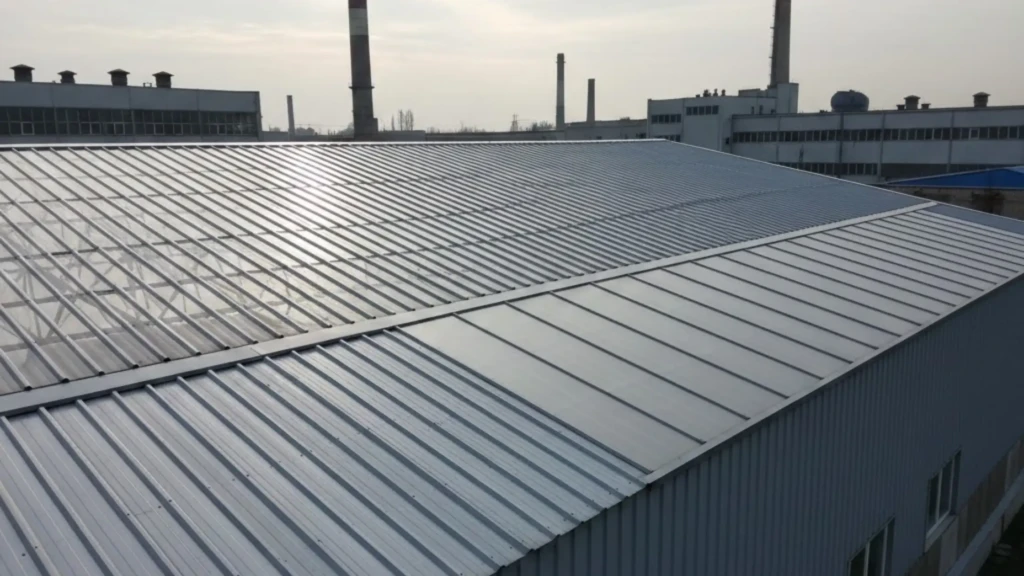
Conclusion
Choosing the right roof profile sheets for industrial buildings is essential for ensuring durability, energy efficiency, and long-term operational safety in the UAE’s demanding climate. From profile geometry and material selection to thermal performance and drainage efficiency, every factor plays a critical role.
Partnering with reliable corrugated sheet suppliers in the UAE ensures access to high-quality corrugated metal sheets designed for harsh environments.
Companies like Emirates Portacabin understand these requirements and emphasize roofing solutions that protect assets, enhance workforce safety, and support compliance.
A well-chosen roof system is not just protection—it is a strategic investment in performance and longevity.
FAQs
What are the different types of industrial roof profile sheets?
Industrial roof profile sheets include trapezoidal, ribbed, standing seam, and corrugated profiles. Each type offers different strength, drainage, and insulation compatibility advantages.
How do I choose the best roof sheets for my factory?
Choose roof sheets based on climate conditions, structural load requirements, and insulation needs. Material durability, corrosion resistance, and ease of maintenance are also critical factors.
Which roof sheet profiles are suitable for industrial buildings?
Corrugated, trapezoidal, and standing seam profiles are suitable for industrial buildings. These profiles provide strength, efficient drainage, and compatibility with large-span structures.