

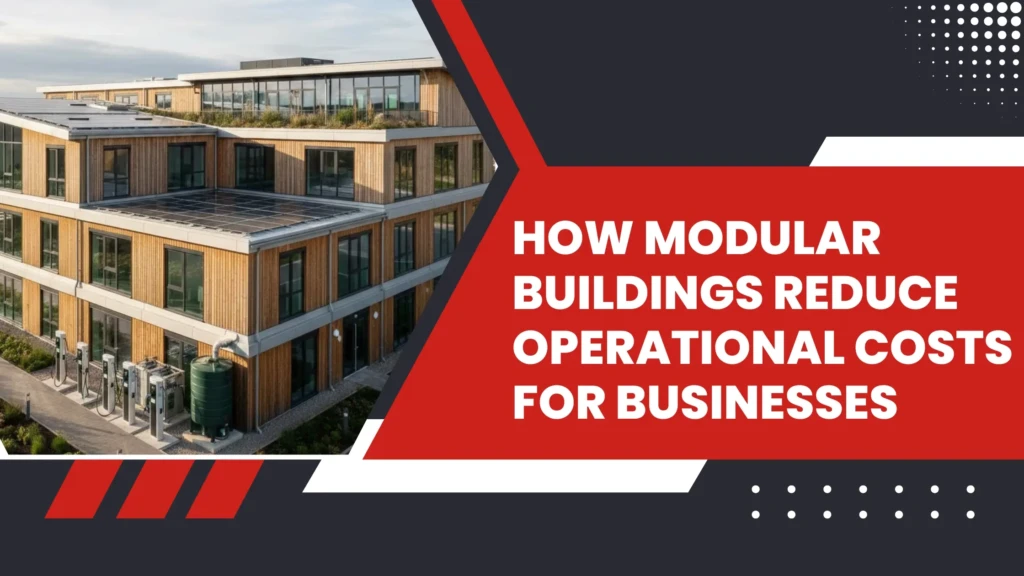
Modular buildings may sound basic, but once you follow the money, they become radical.
As for the core, modular buildings are manufactured off-site in controlled factory environments and assembled on-site. This approach is among the most efficient portable building solutions in the UAE, helping businesses reduce setup and operational costs.
The shift rewires cost behaviour throughout the project, not just construction. In fact, you can say that it can last for the decade to come. But how is it reducing the cost?
Let us walk you through the steps that reduce costs and deliver a reliable project.
Ways Modular Buildings Reduce Operational Costs for Business
Your supplier recommends using modular construction for commercial projects, and you’re wondering how it reduces costs for your business.
Let us answer your query below:
1. Faster Construction, Faster ROI
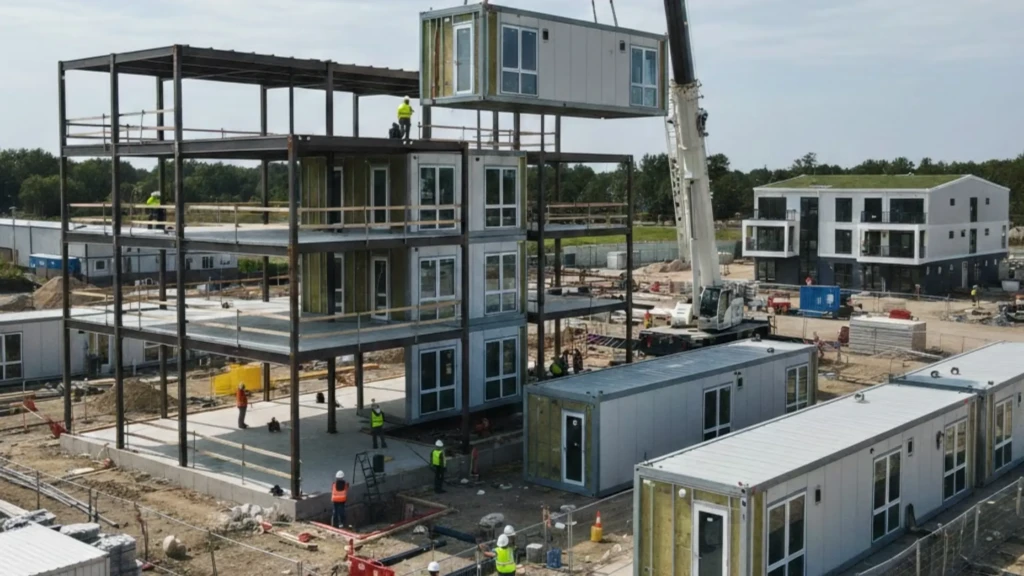
Before we discuss the cost savings and benefits of many modular buildings. One of the major advantages of modular buildings is speed. On the other hand, the traditional construction method is largely sequential and highly weather-dependent.
But modular construction enables on-site preparation and off-site module manufacturing to occur simultaneously. This approach can reduce the time of the project by 30% to 40%, ensuring business to:
- Open new facilities sooner.
- Start generating revenue as soon as possible.
- Deploy staff and operations without any delays.
For example, a retail store or healthcare facility can be operational within weeks, or at most, within months. It directly improves cash flow and reduces the opportunity cost of delayed openings.
2. Labour and Material Efficiency
Modular construction also lowers operational costs by increasing labor and material efficiency:
- Labor Efficiency: Factory-based construction employs specialized personnel to complete repeated operations, resulting in fewer labor hours, errors, and on-site supervision. Fewer on-site staff result in lower insurance costs and fewer health and safety hazards.
- Material Efficiency: Controlled manufacturing settings optimize material utilization, reduce waste by 50-90%, and keep procurement costs stable. Less waste and errors equal fewer additional purchases and rework.
This is the most significant difference between modular buildings and traditional construction costs.
3. Long-Term Energy Savings
The top modular steel building manufacturer in the UAE reports that modular buildings typically deliver better energy savings than traditional buildings. Because they’re built with such precision, you get tighter seals, improved insulation, and fewer spots where heat can escape. This means:
- You’ll spend less on heating and cooling.
- Energy use drops right from the start.
- You save significantly over the building’s life.
This predictable energy efficiency is especially helpful for businesses in areas such as modular office solutions in the UAE, schools, healthcare, and data-intensive operations.
4. Simplified Maintenance and Scalability
Operating costs don’t just stop at construction. Modular buildings by steel structure companies in the UAE can actually help save money in the long run because they offer:
- Simpler Maintenance: With standardized parts, it’s easier to check, swap out, or upgrade things. You can plan maintenance in advance, which reduces unexpected downtime.
- Flexibility: You can add, remove, or change modules to fit your needs as your business grows or shrinks. This kind of adaptability saves you from the hefty expenses of traditional renovations or rebuilding.
5. Streamlined Compliance and Reduced Disruption
Modular construction is typically pre-approved for various locations, making it easier to meet compliance standards and manage inspections. This can reduce legal and consultancy costs and help keep projects on track without delays.
Also, one of the key benefits of modular construction is that it causes less on-site disruption. This means businesses can keep running smoothly even when they’re expanding or renovating. Staying productive without interruptions is a real money-saver that is often overlooked, but it’s critical to keeping everything on track.
6. Predictable, Structured Costs
One of the biggest advantages of modular buildings with steel frame installers is their support for cost predictability. By turning unpredictable costs into more manageable, forecastable ones, businesses can plan better and reduce financial risk.
When Does Modular Construction Not Make Financial Sense?
Modular construction has clear advantages, especially for cost savings, but it’s not always the best option for every project. Several factors can influence the decision, and sometimes sticking with traditional building methods makes more sense.
1. The Site Is Too Far From a Modular Factory
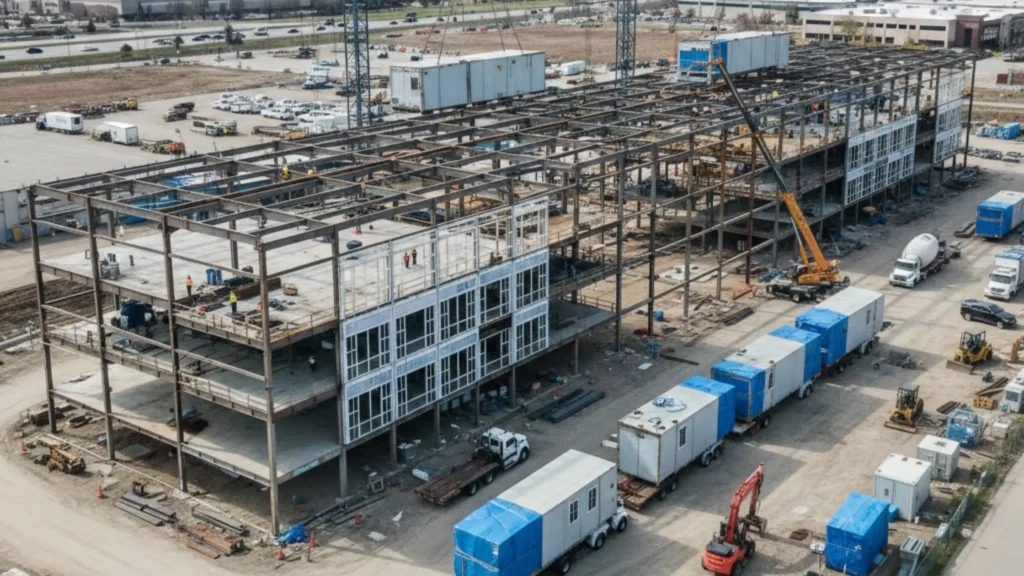
First, those modules need to reach the building site. Typically, they’re transported on flatbed trucks, and long-distance travel can significantly increase costs.
Transportation expenses can add up quickly, particularly if the site is remote or far from the nearest modular factory.
2. Site Is Already in a Low-Cost Area
Another major advantage of modular construction is the ability to reduce labour costs by manufacturing in lower-wage regions. But if your construction site is already in a low-cost area, the savings from going modular might not be significant.
In those situations, traditional construction could deliver similar labour savings without the additional expense of relocating the modules.
3. Projects With Highly Custom or Complex Designs
Modular construction works best when designs are standardized and repeatable. When a project involves complex architecture, irregular layouts, or heavy customization, modular methods can become less cost-effective. Each variation may require separate engineering and production adjustments at the factory.
These changes increase design and manufacturing costs and can slow down production timelines. In such cases, traditional construction methods often provide more flexibility and better cost control.
4. Small One-Off Projects With Limited Scale
Cost efficiency in modular construction improves when multiple similar units are produced. Repetition helps reduce per-unit production costs and improves factory efficiency. However, for small one-off projects, the initial setup, engineering, and coordination costs may outweigh the financial benefits.
If there are no repeated modules or expansion plans, traditional construction can sometimes deliver better value without the added overhead of factory setup.
Conclusion
Modular buildings offer significant cost savings compared to traditional construction, making them an attractive choice for many businesses.
Working with experienced steel frame construction companies ensures durability, efficiency, and predictable maintenance costs. Businesses in the UAE can leverage these benefits for offices, healthcare, schools, and more.
Emirates Portacabin provides high-quality modular solutions that streamline setup, reduce operational costs, and allow for future scalability.
From energy efficiency to minimal site disruption, modular buildings deliver both immediate and long-term financial advantages. Investing in modular construction is a smart strategy for businesses seeking efficiency, flexibility, and measurable modular buildings cost savings.
FAQs
Are modular buildings cheaper to operate than traditional buildings?
Yes. Modular buildings reduce operational costs through energy efficiency, minimal maintenance, and optimized labour and material use, making them more cost-effective over time.
How do modular buildings help reduce operational costs for businesses?
They streamline construction, reduce labour costs, minimise material waste, and enable faster deployment, allowing businesses to open sooner and minimize lost revenue.
Can modular buildings be used for long-term commercial operations?
Absolutely. Modular buildings are durable, flexible, and scalable, supporting long-term commercial use in offices, schools, healthcare facilities, and other business applications.