

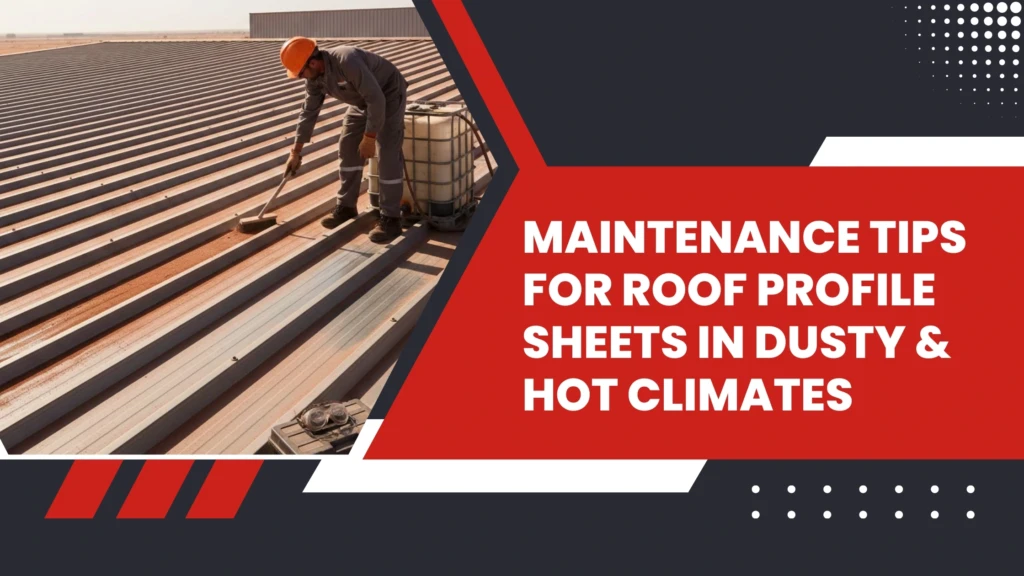
In the UAE’s harsh climate, roof profile sheets are constantly exposed to heat, dust, and UV radiation, which can degrade their long-term performance. They are basically trapped in a desert and therefore need proper care. Without proper care, they may lose functionality soon and even leak; with the right care, they can last longer than you think.
What are the best ways to maintain the roof sheets so they perform optimally, even in the UAE environment? Let’s talk about some amazing tips for roof profile sheets for industrial or residential buildings.
Understanding The Environment First
Despite the roof sheets’ primary role being weather resistance, damage is inevitable without proper care. Roofs in hot, dusty areas are constantly up against three enemies:
- Every Day Hest: It causes coated sheets and metal to expand and contract. This stresses joints and loosens fasteners over time.
- Dust: It accumulates everywhere, accelerating corrosion and retaining moisture during infrequent humidity spikes.
- UV Rays: Even when the roof “looks fine,” UV rays gradually erode protective coatings.
All of these, if ignored, can lead to bigger problems. So, how to maintain metal roofing in hot weather? We are about to find out.
Cleaning And Upkeep Tips For Roof Profile Sheets
If you don’t want your roof sheets to crack or go bad, here are the tips to maintain them that your roofing sheets supplier in the UAE will tell you:
1. Regular Cleaning: More Than Just Aesthetics
Dust is not harmless, not even for corrugated sheets. Salts and moisture are retained by fine particles, forming micro-corrosion zones. If not removed regularly, this buildup gradually weakens protective coatings and shortens the roof’s service life.
At least twice a year, clean the roof sheets.
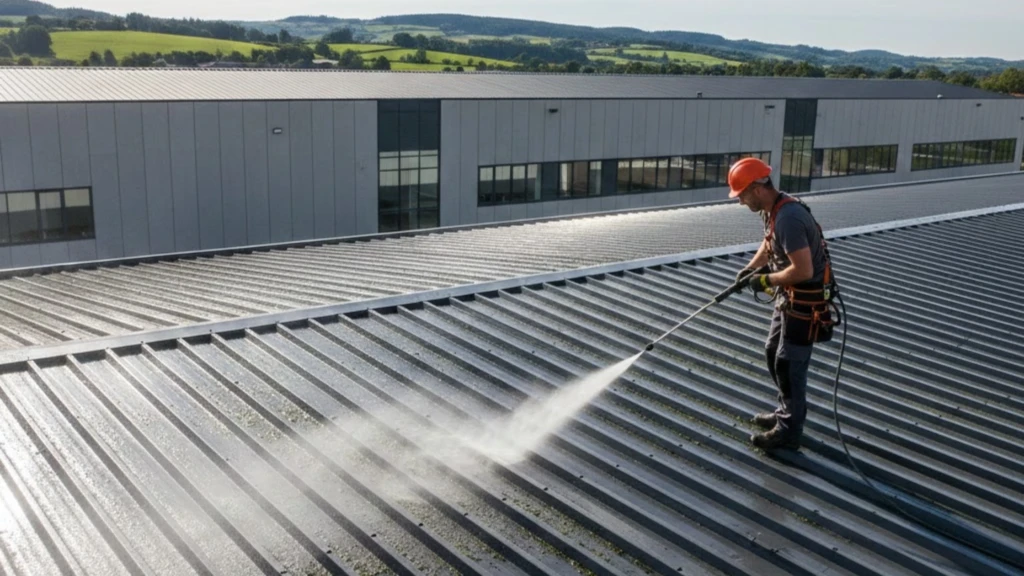
It makes more sense to clean every three months in areas with high dust levels. Use a gentle brush or mop and low-pressure water. Although high pressure seems effective, it can remove coatings and push water into overlaps.
Steer clear of harsh detergents.
Use a mild soap solution instead. Corrosion will begin subtly and spread beneath the paint if the coating is chemically damaged.
Additionally, cleaning corrugated metal sheets helps you spot issues early because dust rarely obscures cracks, rust spots, or misplaced screws.
2. Inspect Fasteners and Joints Regularly
In hotter climates, the fasteners of the house roofing sheets are the weakest component.
Bolts and screws gradually loosen due to thermal expansion. Tiny leaks turn into structural failures when a fastener loosens, allowing water to enter and accelerating corrosion around the hole.
Look for:
- Missing or loose fasteners
- Rubber washers that are cracked or hardened
- Long holes brought on by expansion stress
Washers that have lost their elasticity should be replaced. Rubber deteriorates more quickly in extreme heat than most people realise.
Don’t ever tighten too much. This damages washers and can cause future leaks. Strangled is bad; tight is good.
3. Watch the Coating Like a Hawk
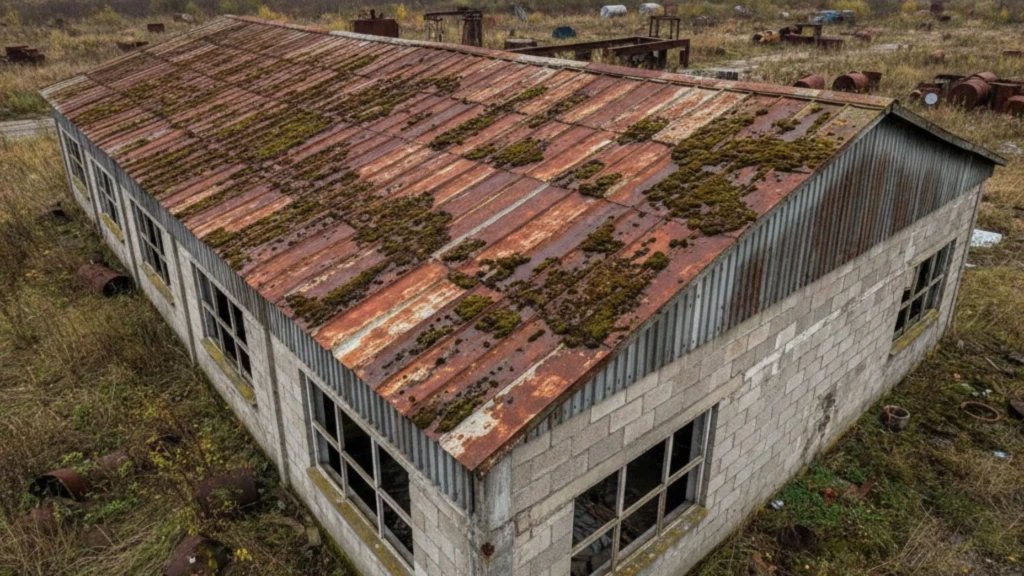
Think of the coating as the roof’s defense mechanism. UV rays can wear down paint and protective layers long before you even notice rust. Signs like fading, chalking (that powdery stuff), or blistering are your first clues that something’s off.
If you see any damage, don’t wait; touch it up immediately with coatings the manufacturer recommends. If you let it go, corrosion can creep in beneath the surface, and then it’s much harder and more costly to address.
For larger areas with wear, a full recoating can significantly extend the roof’s lifespan, potentially by 10 years or more. It’s a more cost-effective option than a full replacement.
4. Manage Heat Buildup Proactively
Hot weather doesn’t just ruin the best roof sheets for factories; it can really heat up the whole building underneath
Ensure there’s adequate ventilation under the roof sheets. If heat is trapped, it can lead to fastener failures, warping, and even coating breakdowns.
Using reflective or heat-resistant coatings can really help lower the surface temperature. When those temperature swings are smaller, there’s less stress from expansion, which helps materials last longer.
And don’t forget about insulation. It helps maintain consistent internal temperatures and reduces thermal cycling of the roof.
5. Pay Attention After Sandstorms and Heatwaves
Severe weather can lead to unnoticed issues. After a big dust storm, it’s a good idea to check overlaps and drainage routes. Dust buildup can prevent water from flowing during rainfall, forcing it into joints instead.
And after long heatwaves, keep an eye out for things like:
- Warped sheets
- Edges that have lifted
- Fasteners that have shifted
These changes may be small, but they can indicate that stress is building.
6. Don’t Ignore Drainage (Even in Dry Regions)
Rain might not happen often, but when it does, it can really pour.
Make sure your gutters and downpipes are clear. When dust becomes wet, it can solidify into a hard sludge that clogs drainage, causing water to pool on the roof.
Standing water can accelerate corrosion, especially when there’s dust and salt present.
7. Schedule Professional Inspections
No matter how well you take care of things, preventing damage to roof profile sheets in extreme heat and having a professional inspect every few years are better.
They can catch early signs of wear and tear, coating issues, or installation problems that you can’t see from the ground. Especially in tough climates, it’s always better to prevent problems than to fix them later.
Conclusion
Maintaining corrugated roof sheets in dusty, hot climates is essential to preserve durability, prevent corrosion, and avoid costly damage. Regular cleaning, fastener inspections, coating upkeep, and proper drainage all contribute to long-lasting roof performance.
Choosing high-quality materials from trusted corrugated sheet suppliers in the UAE gives your building a stronger foundation, while routine maintenance helps it remain durable under extreme conditions. Emirates Portacabin not only supplies dependable corrugated roof sheets but also supports clients with best practices for installation and maintenance.
With the right products and proactive care, your roof system will stand resilient, protected, and efficient for years to come.
FAQs
How often should roof profile sheets be maintained in dusty climates?
Roof profile sheets should be inspected at least twice per year in dusty climates. In high-accumulation areas, quarterly cleaning and inspection help prevent buildup and corrosion.
What are the best practices for cleaning roof profile sheets in hot weather?
Use low-pressure water, a soft brush, and mild soap to clean roof sheets safely. Avoid harsh detergents and high-pressure washers that can damage coatings.
How can I prevent heat and dust damage to the roof profile sheets?
Ensure adequate roof ventilation and reflective or heat-resistant coatings to reduce thermal stress. Regular dust removal and fastener checks help prevent corrosion and structural failures.