

In the construction world, managing costs while maintaining high-quality materials can be a tightrope walk.
Besides, the costs are steadily rising. There are many materials people are looking for and trying to manage the costs. With the skyscrapers and advanced technology in the scene, there is even more to think about. So, can you be cost-efficient with your next construction project?
But how can you achieve cost efficiency? It is possible with the light-gauge steel structure.
Previously, we shared a detailed comparison of light-gauge steel vs. hot-rolled steel and explored common myths about light-gauge steel to help clarify misconceptions in the industry. Today, we’re focusing on a crucial aspect every builder cares about: the cost efficiency of light-gauge steel structures.
Why and how can you get the cost efficiency of light-gauge? Let us show you.
What Is Light-Gauge Steel (LGS)?
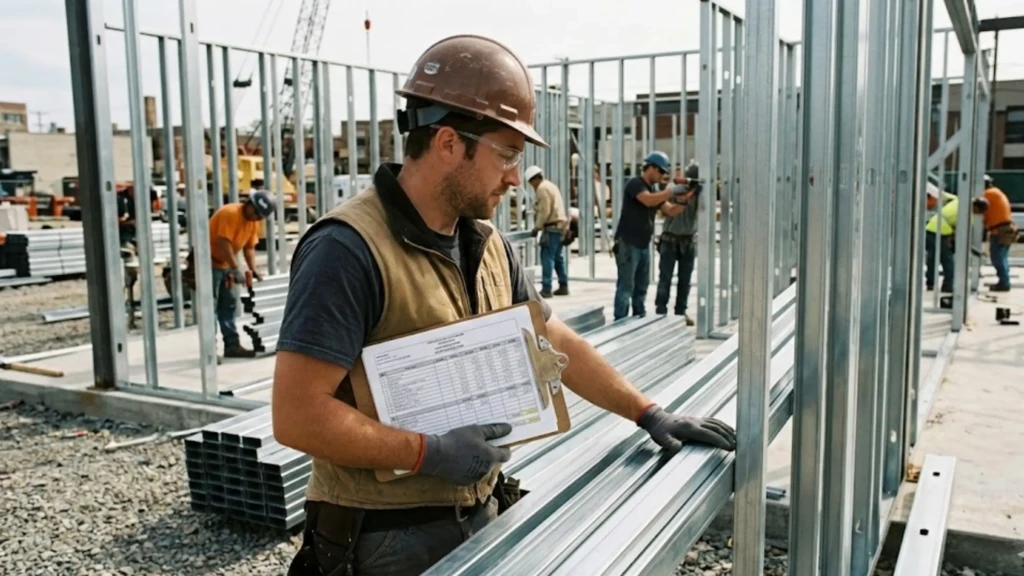
Light-gauge steel framing (LGSF), also known as cold-formed steel (CFS), is made by pressing or roll-forming thin steel sections (usually less than ¼ inch thick) into structural shapes, such as trusses, joists, and studs, without the use of heat. It is significantly stronger than wood on a weight basis, but lighter than hot-rolled structural steel.
How can Light-Gauge Steel Structures be Cost-Effective?
So, what to know about the cost efficiency of light-gauge? Here is your way to a budget-friendly construction project, shared by most of the reliable light-gauge steel manufacturers in the UAE.
1. Construction Speed = Direct Cost Savings
Between the light-gauge steel vs traditional construction, light-gauge is quicker, and how does it save? Here it is:
- Prefabricated light-gauge steel allows for 25–35% faster construction than concrete or wood.
- Shorter timelines allow you to generate revenue faster, reduce financing costs, and accelerate occupancy. It is a direct benefit for the large-scale projects.
- Light-gauge steel building system adaptability also allows immense creativity. Be it single-family homes or multi-story apartments, you can build quickly and cut labour costs by almost 20%.
2. Labor Cost Efficiency
So, is light-gauge steel cheaper than concrete? Prefabricated LGS panels and components require fewer on-site workers as they arrive on site. So, fewer labourers means cost reduction.
Moreover, many tasks are automated, thereby reducing labour costs. For example, the process of creating steel frames is now faster because of the advancements in production techniques and design software.
Concrete and timber can be quite sensitive to the weather. As rain can delay the concrete pours and may also affect the timber quality. Compared with traditional construction, LGS can continue work in various weather conditions. So, it helps minimize delays and unexpected weather-related issues.
3. Long-Term Maintenance: Where LGS Truly Wins
This is another benefit of light-gauge steel for builders. Let’s talk about a cost factor that often goes unnoticed:
- Steel is great because it doesn’t absorb moisture and is safe from insect damage. This quality is especially valuable in places with high humidity or a lot of pests, ensuring your frame stays strong and secure for many years to come.
- On the other hand, in light-gauge steel construction, timber requires continual treatment and pest control, along with managing moisture levels. Over time, these upkeep costs can actually surpass the initial savings, especially in areas prone to humidity or termites.
- Plus, steel won’t warp, rot, or shrink, which means builders can expect fewer callbacks, warranty claims, and remediation costs. Isn’t that a bonus?
4. Waste Reduction & Material Efficiency
LGS frames consist of around 60% recycled steel and are utilized in many applications of light-gauge steel, such as roofing, modular structure design, and infill walling.
- By being prefabricated in factory settings, we nearly eliminate on-site material waste, with no offcuts and no spoilage. On the other hand, timber framing tends to generate considerable off-site waste, which can increase disposal costs.
- Additionally, it is fully recyclable and has low emissions, meeting LEED certification criteria and supporting other sustainability initiatives, potentially resulting in tax benefits for highly energy-efficient buildings.
Real Cost Risks Builders Must Know
Some factors you should always keep in mind:
a) Thermal Bridging / Condensation Risk:
Keep in mind that metal isn’t the best insulation material on its own, and using light-gauge steel could lead to condensation, which might damage the drywall down the line. To help with this, installing a moisture barrier is a smart move, but it will also increase construction costs slightly.
b) Limited On-Site Flexibility:
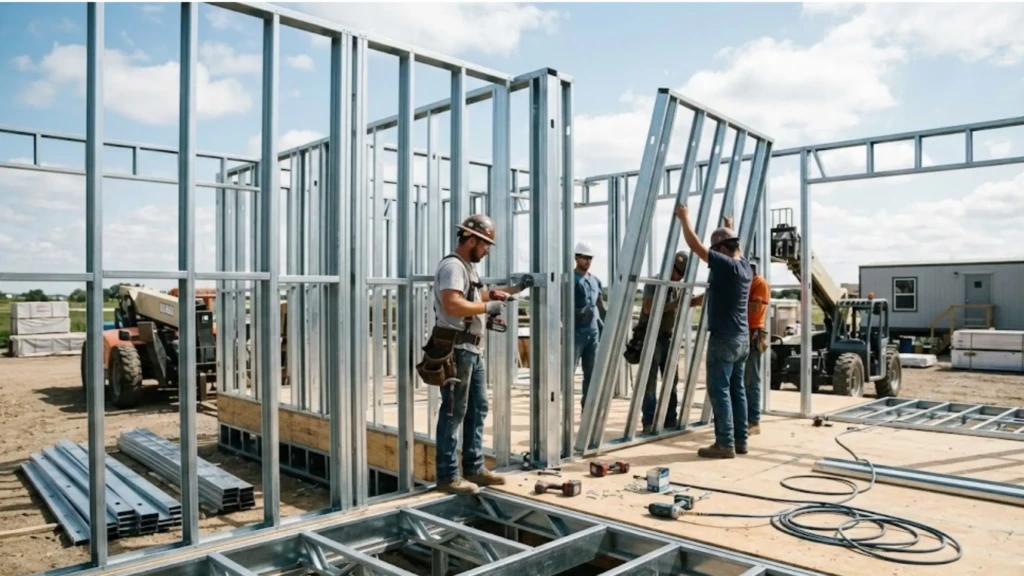
One thing to note is that addressing manufacturing or planning mistakes can be costly and time-consuming. Since materials can’t be easily cut or adjusted on-site, it’s super important to get the light gauge steel manufacturer’s design right from the start. So, investing in BIM software and thorough engineering before you kick off fabrication is definitely worth it!
c) Change Orders Are Costly:
Unlike timber, which can be easily modified on-site, LGS components usually need to be reordered or refabricated if changes arise. To keep expenses in check, it’s crucial to finalise your design early.
Conclusion
Light-gauge steel structures provide a strategic advantage for builders seeking efficiency, speed, and long-term savings. By reducing labor costs, shortening construction timelines, and minimizing maintenance, they showcase the cost efficiency of light-gauge steel and outperform many traditional materials.
For those comparing options, a thorough cost comparison of light-gauge steel construction highlights savings in material usage, waste reduction, and lifecycle expenses.
As a trusted modular steel building manufacturer in the UAE, Emirates Portacabin offers expertly engineered LGS solutions suitable for residential, commercial, and industrial projects.
Investing in light-gauge steel not only ensures structural durability but also helps optimize budgets, streamline construction, and support sustainable building practices.
FAQs
Is light-gauge steel construction more cost-effective than traditional concrete structures?
Yes, LGS reduces labor, material, and maintenance costs while speeding up construction timelines. Concrete may cost less upfront, but LGS offers long-term financial benefits.
What factors influence the cost efficiency of light-gauge steel buildings?
Project size, design complexity, prefabrication level, labor rates, and construction speed all affect LGS cost efficiency. Proper planning maximizes savings and minimizes waste.
How does light-gauge steel reduce long-term maintenance expenses?
LGS resists moisture, pests, warping, and rot, unlike timber or concrete. This durability decreases repair needs, warranty claims, and ongoing upkeep costs over the structure’s life.