

Whenever you change or install a new roof profile sheet, you’ll ask how long it will last. Well, the answer is in your choice. Your roof sheet material and quality determine its longevity, how hot it gets, and how often you might need repairs.
In the UAE, summer temperatures can exceed 45°C. Coastal areas also face humidity and salt, and heavy storms can challenge this sheet too.
Previously, we shared a cost analysis of roof profile sheets in the UAE and walked you through the roof profile sheet installation process, covering the key factors that affect roofing costs and the steps involved in proper installation.
Today, we will discuss how to choose the right roof profile sheet for your project and explore the factors that can influence durability, performance, maintenance, and long-term value.
So, how do you choose the right roof profile sheet to handle all these challenges? We can help because the wrong choice can lead to leaks, rust, and faded panels.
Understanding the Role of Roof Sheets
Roof sheets do more than just cover. Modern roof profile sheets provide structural strength, thermal insulation, water drainage, and an attractive appearance. They should withstand heavy loads, high winds, and temperature changes found in industrial and commercial environments.
House roofing sheets for residential projects need to combine durability, visual appeal, and noise reduction. Choosing the right roof profile sheet helps ensure your roofing system performs reliably for decades while minimizing maintenance and energy costs.
Know the Types of Roof Profile Sheets
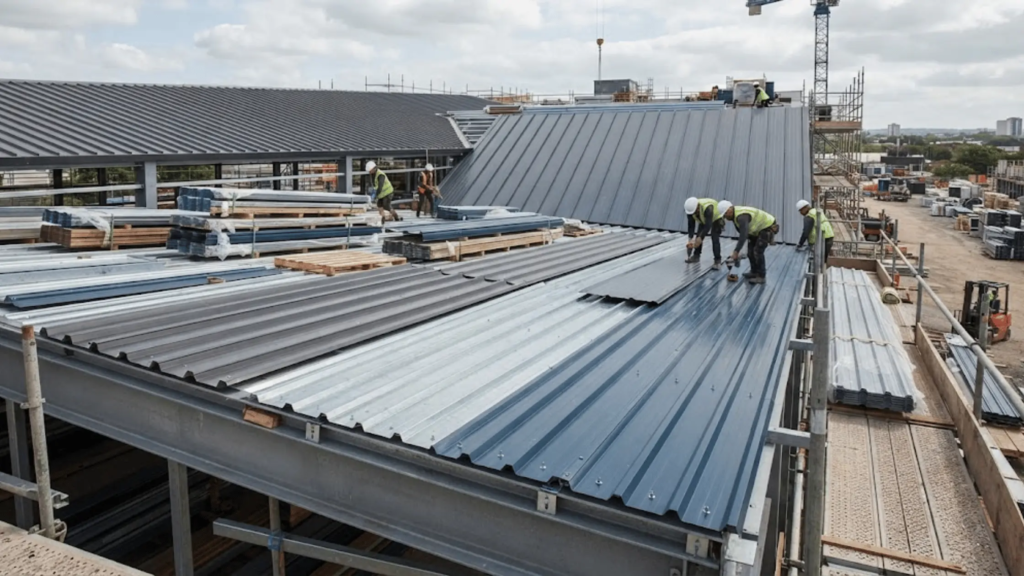
There are many different types, so people often don’t get what they need because they don’t know the difference. The main difference between sheets is the shape of the profile:
- Corrugated: A wave pattern, typical of sheds, farm buildings, and house roofing sheets. Corrugated metal sheets are cheap and easy to install, but need a steeper pitch than other profiles.
- Trapezoidal: Bigger spans, flat ribs. These roof profile sheets for industrial buildings suit commercial buildings and drain well on lower slopes.
- Standing Seam: Raised seams with hidden fasteners that reduce leak points. They are more expensive.
The minimum roof slope depends on the profile and the manufacturer, so check the technical data sheet before ordering.
Roof Profile Sheets vs Traditional Roofing
When you compare roof profile sheets to traditional roofing materials like clay tiles, asphalt shingles, or concrete, metal sheets bring some clear benefits to the table:
- Lightweight: They’re much easier to transport and install, which helps lighten the load on your structure.
- Durability: These sheets resist fire, rot, and pests, lasting anywhere from 40 to 70 years.
- Weather Resistance: They perform exceptionally well in high winds, heavy rain, and extreme temperatures.
- Cost-effective: Although they may cost more upfront, they save you money over time with lower maintenance and replacement needs.
While traditional materials can sometimes provide better insulation or a more appealing look, roof profile sheets really excel in terms of performance and longevity.
Material, Coating, and Corrosion Resistance for Long-Term Safety
Galvanized roofing sheets consist of steel that’s been coated with zinc. The zinc coating is measured in grams per square meter (like Z275, which means there’s 275 g/m² of zinc on both sides), and more zinc generally means a longer roof lifespan. Galvalume steel, which features an aluminum-zinc blend, usually holds up better in outdoor conditions.
Although aluminum sheets are completely rust-resistant, they are more prone to dents and typically pricier. Roof sheet coating types are applied directly to the metal.
- Polyester (SMP): Good for inland, moderate exposure
- HDP: Superior UV resistance compared to standard polyester
- PVDF: Highest fade and chalking resistance – which matters under UAE sun
To tackle corrosion, you can use several effective techniques. A robust layer of zinc or aluminium-zinc is essential, along with a protective topcoat, sealed cut edges, and keeping dissimilar metals, particularly copper, at bay to prevent galvanic corrosion.
For roofing sheets that can withstand the UAE’s climate, coastal projects in Abu Dhabi, Dubai, or Ras Al Khaimah usually need a heavier coating, often made of PVDF or aluminium. Meanwhile, inland areas can often opt for lighter specifications.
Mistakes When Buying Roof Profile Sheets in the UAE
Buying roof profile sheets in the UAE can be tricky, but many mistakes are easy to steer clear of:
- Choosing based only on price.
- Disregarding the coating mass and thickness.
- Using inland specifications for coastal areas.
- Skipping fire-rating checks for insulated panels.
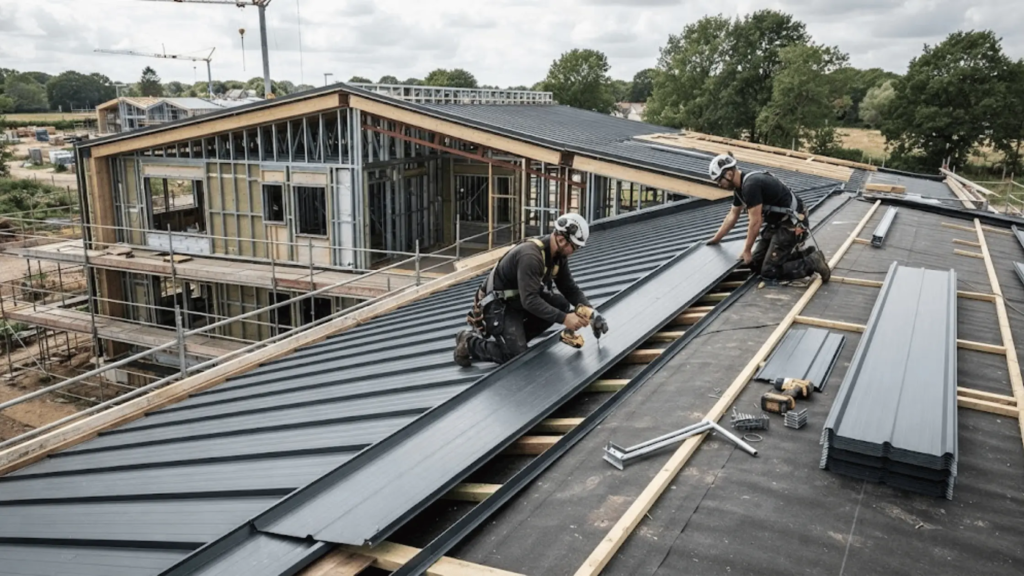
- Not confirming purlin spacing, which can cause thinner sheets to sag.
- Not selecting the right roof profile sheet for the specific pitch of your roof.
How to Choose the Right Roof Profile Sheet: Key Checklist
To find the ideal roof profile sheet for your project, you should evaluate these key aspects:
- Climate Exposure: Consider factors like humidity, salt presence, UV exposure, and temperature range.
- Structural Requirements: Look into the roof span, wind load, and how far apart your supports will be.
- Profile Type: Think about whether you need corrugated roof sheets for flexibility, trapezoidal sheets for strength, or standing seam sheets for a stylish finish.
- Coating System: Choose galvanized, Galvalume, or pre-painted options based on your corrosion risk.
- Budget and Availability: Weigh the upfront costs against the expected lifespan and logistics.
- Supplier Reliability: Choose established corrugated sheet suppliers in the UAE who can offer you solid technical support and warranties.
By using this checklist, you’ll be well equipped to choose the right roof profile sheet that offers the performance, durability, and value your project deserves.
Conclusion
Choosing the best roofing sheets for UAE climate requires more than comparing prices. The right specification should account for temperature, humidity, salt exposure, UV radiation, wind loads, roof slope, coating, and structural requirements.
Selecting the right roof profile sheet can improve durability, reduce maintenance, and provide reliable long-term performance. Following maintenance tips for roof profile sheets, including inspections, cleaning, and checking fasteners and drainage, can further extend service life.
As an experienced roofing sheets supplier in the UAE, Emirates Portacabin can help project owners select suitable roofing solutions based on their site and project requirements.
FAQs
How often should roof profile sheets be inspected?
Inspect roof profile sheets periodically for corrosion, loose fasteners, damaged coatings, blocked drainage, and signs of leakage. More frequent inspections may be necessary in coastal or harsh environments.
What factors affect the lifespan of roof profile sheets?
The lifespan depends on material quality, coating thickness, environmental exposure, installation quality, drainage, maintenance, and structural loading. Coastal conditions and prolonged moisture exposure can require additional corrosion protection.
Can roof profile sheets be used for low-slope roofs?
Some roof profiles suit lower slopes, but requirements vary by profile, manufacturer, and drainage design. Always check the manufacturer’s technical specifications for the minimum recommended roof slope.